Sydney Custom Builders
4 min read
Key Takeaways
- Start with site, orientation and the building envelope before adding isolated products or systems.
- Choose materials for durability, maintenance and suitability as well as appearance and price.
- Bring comfort, water and energy decisions into the design while they can still influence the whole home.
Sustainable building is most useful when it makes a home comfortable, durable and easier to live in. It does not have to begin with expensive technology or a long list of products.
Start with the decisions that shape the whole building and are difficult to change later. Then choose systems and materials that suit the property, household and budget.
Let the site do some of the work
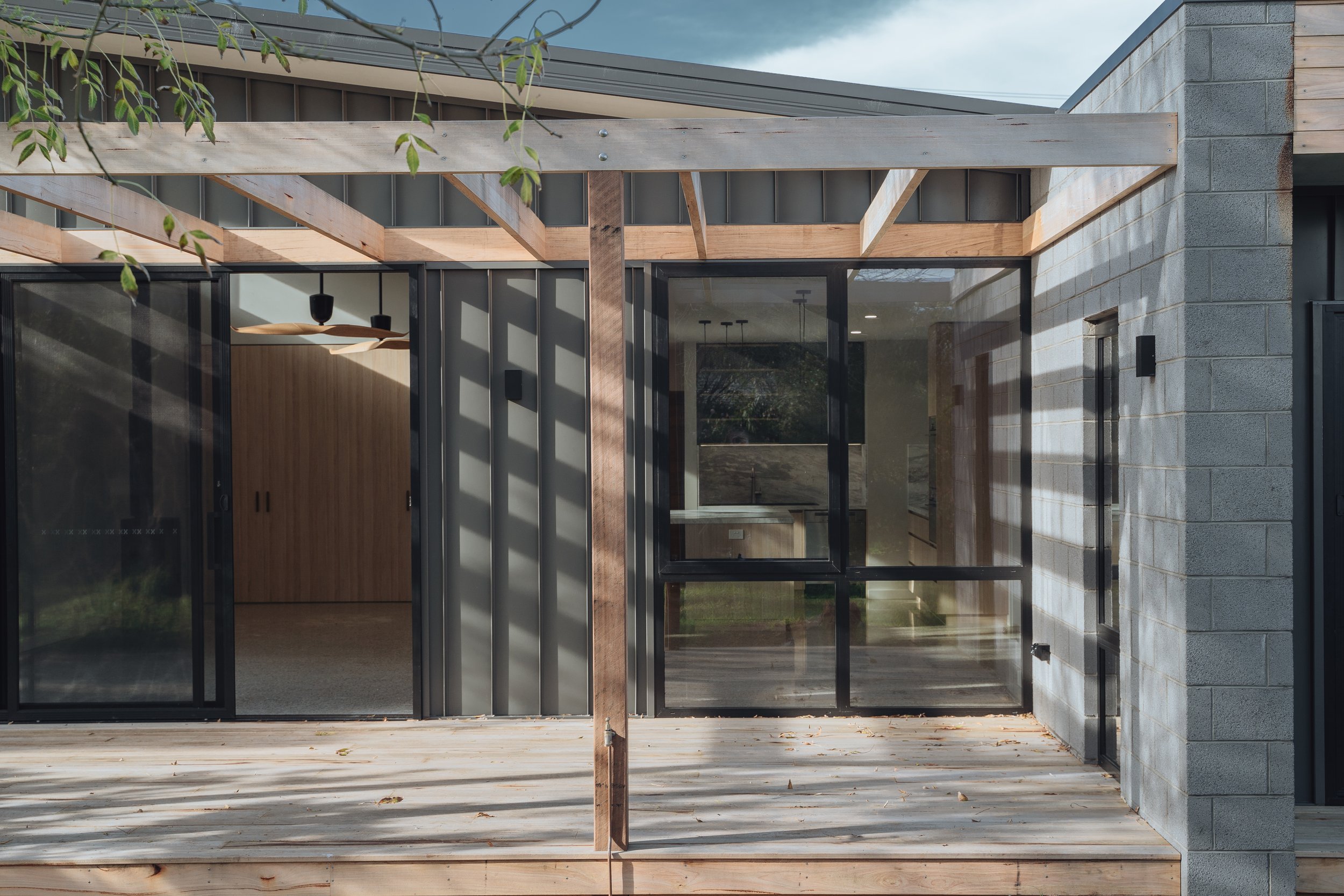
Sun, shade, wind and neighbouring buildings affect how a home feels throughout the year. Room position, windows and outdoor shading can help bring in winter light while limiting unwanted summer heat.
For an existing home, pay attention to the rooms that overheat, stay cold or remain dark. Those patterns can show where an extension, new opening or shading change may have the greatest effect.
Orientation is not a simple rule that every room can follow perfectly. The design also needs to respond to views, privacy, access and the shape of the land.
Treat the roof, walls, floors and windows as one system
The building envelope separates the inside of the home from the weather. Insulation, glazing, sealing and shading work best when they are considered together.
High-performance glazing cannot correct every gap elsewhere in the building, and insulation cannot prevent strong sun from entering an unshaded window. Ask the designer and relevant consultants to look at the complete home rather than relying on one headline product.
In a renovation, some parts of the existing envelope may be difficult to access. Focus on improvements that are practical within the wider work and avoid damaging sound areas for a small theoretical gain.
Design for comfortable ventilation
Well-placed openings can support natural airflow when the outside conditions are suitable. Their usefulness also depends on security, noise, insects, weather and whether the household is comfortable leaving them open.
Bathrooms, laundries and cooking areas need appropriate mechanical ventilation. Heating and cooling may still form part of a comfortable home, but good layout, shading and envelope design can reduce the load placed on those systems.
Choose durable materials you can look after
A material that lasts, can be maintained and is suited to its location may be a better long-term choice than one sold with a broad environmental label.
Ask about:
- expected life in the intended application
- cleaning and maintenance
- repair and replacement
- exposure to sun, water or impact
- installation requirements
- recognised environmental information
- what happens at the end of its useful life
The best choice is not always the same for an exterior wall, busy floor, wet area and piece of joinery.
Keep existing parts where it makes sense
Renovation already begins with an existing building. Retaining a useful structure, floor, door or piece of timber can reduce demolition and preserve character.
Reuse should still be practical and safe. The item needs to suit its new purpose and condition. Keeping something that will quickly fail or force awkward building work elsewhere is not automatically a better outcome.
Decide early what will remain so the design and construction can protect it.
Reduce waste through clear decisions
Accurate measurements and settled product choices can reduce ordering mistakes. Materials also need to be stored and protected so they are not damaged before installation.
During demolition, some items may be suitable for reuse or recycling where local facilities accept them. The project still needs safe handling, adequate space and a realistic destination for separated material.
Avoid over-ordering for caution while also recognising that some products need a sensible cutting or breakage allowance.
Consider water and drainage together
Efficient fixtures, rainwater use and thoughtful landscaping can reduce demand on mains water. The best arrangement depends on the property, household and current requirements.
Stormwater, ground levels and drainage should be considered before paths, gardens and outdoor finishes are fixed. A water-saving feature should not create moisture or overflow problems elsewhere on the site.
Compare products using useful information
When choosing insulation, glazing, appliances or building systems, ask for current performance data, installation requirements and warranty terms. A product only performs as intended when it is suitable for the design and installed correctly.
Be cautious with a single impressive number that does not explain the conditions behind it. Your designer, energy assessor or relevant consultant can help interpret what matters for the project.
Make comfort part of the design from the beginning
Important energy, water and material decisions should sit inside the design and budget rather than becoming optional extras at the end. That allows the project team to coordinate them with structure, services and finishes.
Sydney Custom Builders can discuss these choices as part of a custom new home, major renovation or extension. For the wider project journey, read our guide to building a new home in Sydney or planning a whole-home renovation.
Sydney Custom Builders
Licensed Sydney Builder
Sydney Custom Builders builds custom homes, major renovations and extensions across Sydney. These guides share practical advice for homeowners planning a building project.