Sydney Custom Builders
5 min read
Key Takeaways
- Start with everyday household priorities, then let the block and project team help shape the home.
- Keep design and budget in the same conversation as the layout, structure and finishes develop.
- Choose a builder who can understand and coordinate the complete home, not isolated parts of the work.
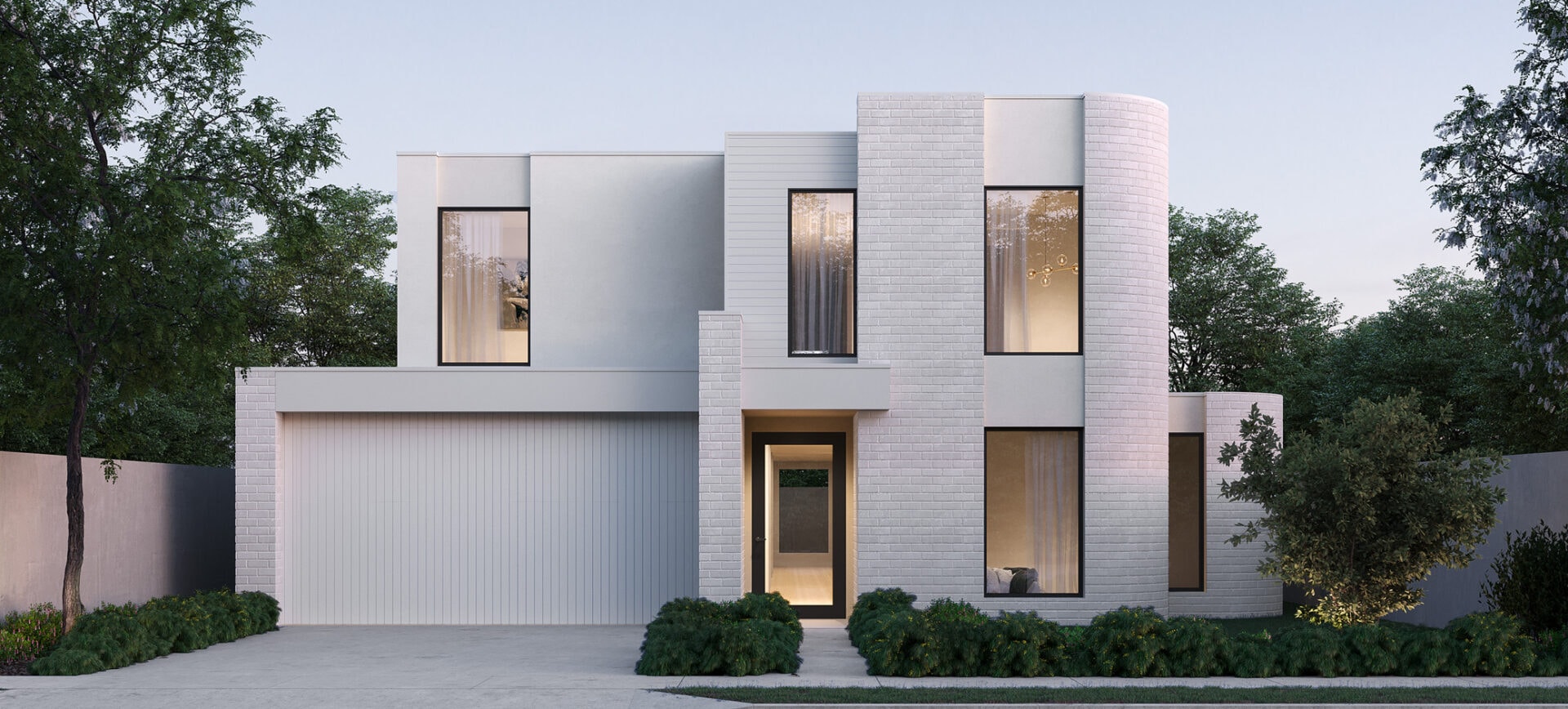
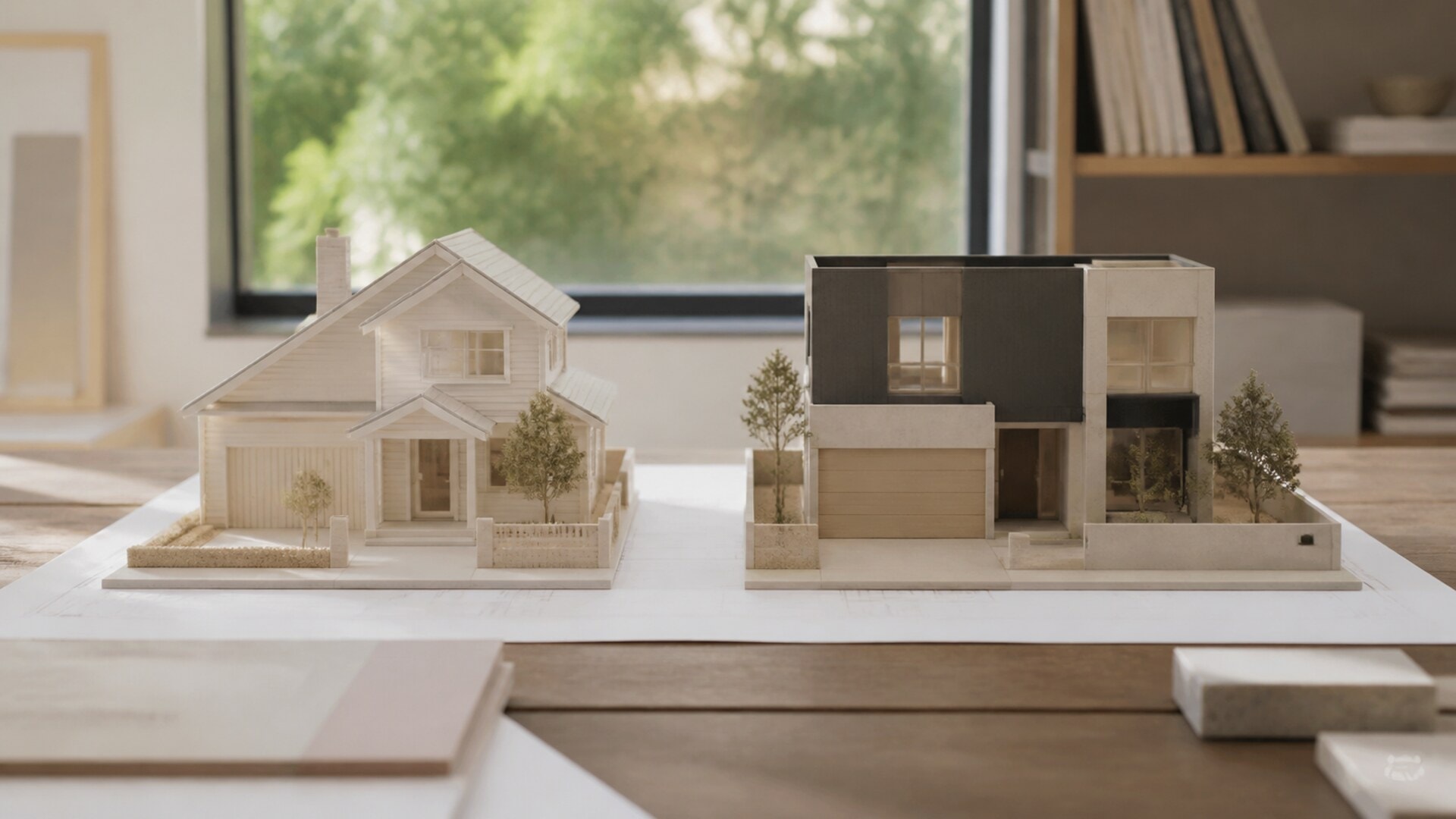
Building a new home is a chance to create something that fits your land, your household and the way you want to live. It can also feel like a lot to hold at once. There is the design, the block, the budget, approvals, materials and dozens of decisions that do not always happen in a neat order.
You do not need to solve everything before the first conversation. A good place to begin is with a clear picture of the home you want and an honest understanding of the property it will sit on.
Start with everyday life, not a room count
Bedrooms and bathrooms matter, but they do not explain how a home should work. Think about the parts of the day that are important to your household. Where does everyone gather? Do you need quiet work space, a private area for guests, easier access to the garden or storage that keeps busy rooms calm?
It also helps to look ahead. Children grow, work arrangements change and mobility can become more important. You do not need to design for every possible future, but the main layout should be able to support the life you expect to live there.
Turn these thoughts into a short list of priorities. That gives your architect, building designer and builder something more useful than a collection of reference images: it tells them what the finished home needs to do well.
Let the block influence the home
A custom home should respond to the land rather than treating it as a blank rectangle. Sun, slope, views, privacy, trees, drainage, access and neighbouring buildings can all shape the design and the way the house is constructed.
Some of the most useful early information includes a survey, known service locations and any available details about the ground or drainage. On a tight or sloping site, the route for excavation, deliveries and materials can be just as important as the building footprint.
Looking at these conditions early does not limit the design. It helps the project team use the block well and avoid developing an idea that is unnecessarily difficult to build.
Build the right project team
A new home usually brings together several people. An architect or building designer develops the design. Engineers provide structural and other specialist details. A planner, certifier, surveyor, energy assessor or additional consultant may be needed depending on the property and proposal.
The builder brings a construction view to that team. Sydney Custom Builders can discuss the home while the idea is taking shape, contribute practical building input as it develops and coordinate the complete construction once the project is ready to build.
Clear roles make the experience easier. You should know who is leading the design, who is confirming the approval path, who answers technical questions and who is responsible for decisions that affect the building work.
Keep design and budget in the same conversation
Cost is shaped by more than floor area. The structure, amount of glazing, ceiling heights, kitchens, bathrooms, joinery, services, materials and external work all matter. Site access, excavation, retaining and drainage can also have a major effect.
Review the budget as the home develops. If an important decision changes the cost, it is far better to understand that while the design can still respond. Our guide to custom home building costs explains the main areas to keep visible.
When comparing builders, look at what each price actually includes. A lower total can reflect different allowances, finishes or external work rather than a more efficient version of the same home.
Confirm the approval path for your address
The approval process depends on the land and the proposed home. Your council, planner or certifier can confirm whether the project follows a development application, complying development or another pathway.
Treat online examples as general guidance only. Heritage, bushfire, flood, easements and local planning controls may change what applies to a particular property. The current NSW planning approval pathways are a useful starting point, followed by advice for your address.
Choose a builder for the whole home
The right builder should understand the home as one connected project. Site work affects the structure. The structure affects windows, services and interiors. Product selections can affect dimensions, installation and timing.
Ask how the builder will review the project, communicate with you and coordinate the trades. Check the contractor licence, insurance and the work covered by the proposed contract. Make sure inclusions, exclusions and owner-supplied items are easy to understand.
NSW Government guidance explains when a written residential building contract is required, what it needs to contain and the statutory warranties that apply. Read the current home building contract guidance before signing.
From construction to handover
Before the site starts, confirm access, communication, selections and any responsibilities that sit outside the building contract. During construction, decisions and changes should be recorded clearly so the team is working from the same information.
At handover, walk through the home, record outstanding items and collect the certificates, manuals and maintenance information that belong with it. A well-run handover is not only about receiving the keys; it helps you understand the home you are moving into.
Sydney Custom Builders builds one-off homes across Sydney. Explore our new build service, or compare whether a major renovation or knockdown rebuild is the better fit for your property. If you have a block and a home in mind, tell us what you want to create and where the project is up to.
Sydney Custom Builders
Licensed Sydney Builder
Sydney Custom Builders builds custom homes, major renovations and extensions across Sydney. These guides share practical advice for homeowners planning a building project.